
Solar generators and portable power stations are now everyday essentials—whether for camping trips or blackouts. Yet, pairing the right solar panel with your power station is crucial, as compatibility determines charging speed, safety, and performance. Many choose based on battery capacity alone, overlooking how the panel’s output matches the device’s input limits, which can slow charging or waste sunlight. This guide explains key electrical terms in practical language, helping you build a reliable solar setup for your balcony, backyard, or campsite—safely and efficiently, no technical background required.
1. Check Your Power Station's Specs
Look up max solar input wattage
Every power station has a limit on how much solar power it can accept at one time, and this number is usually listed as the maximum solar input in watts units. This rating determines how fast the internal battery can recharge when connected to solar panels under ideal sunlight. If panels exceed this input limit, the system will simply cap the intake, meaning extra panel capacity does not translate into faster charging. On the other hand, using panels far below the limit may result in very long recharge times, especially during short winter days. For daily users, this affects whether the battery refills in one afternoon or needs multiple days of good weather. Checking this single number first prevents mismatched equipment and sets a realistic expectation for solar charging speed.
Note the required connector type
Solar panels must physically connect to the power station, and the connector type is just as important as electrical ratings. Many panels use standardized connectors, but adapters are sometimes required to fit a specific input port. A loose or incompatible connector can interrupt charging or even cause overheating if the connection is unstable. Reading the input port description in the manual helps identify whether special cables are needed before heading outdoors. This is especially useful for people who plan to move their setup between home, a vehicle, and outdoor locations. Proper connectors ensure a stable flow of energy and reduce the risk of frustrating charging interruptions.
2. Choose the Right Panel Wattage
Match or exceed your power station's rating
Panel wattage refers to how much power a solar panel can produce under ideal laboratory conditions. For efficient charging, the combined wattage of the panels should come close to, but not excessively exceed, the station’s maximum solar input rating. For example, a station that accepts up to 1000 watts of solar input benefits from panels totaling near that number, allowing faster charging during strong sunlight. Using only a small 100-watt panel on a large-capacity power station may technically work, but charging could take several days. Matching wattage helps ensure the system is practical for real-life situations like preparing for storms or weekend travel. Balanced sizing also keeps the system portable and easier to manage.
Consider real-world sunlight conditions
Solar panels rarely operate at their labeled wattage because weather, angle, and shading all reduce performance. Clouds, dust, and even high temperatures can lower output significantly compared to laboratory ratings. Because of this, choosing panel wattage slightly higher than the minimum requirement helps compensate for everyday inefficiencies. People using solar in apartments or shaded yards especially benefit from this buffer, as sunlight hours may be limited. Tilting panels toward the sun and avoiding shadows from trees or railings can also improve results. Real-world planning ensures the system remains useful beyond ideal sunny-day scenarios.
3. Verify Voltage Compatibility
Stay within your power station's voltage range
Besides wattage, voltage must fall within the input range supported by the power station. If the panel voltage is too low, the system may not start charging at all, even in bright sunlight. If it is too high, protective circuits may block the input to prevent damage. Manufacturers typically list a safe voltage window, and panels should be selected so their operating voltage stays within that range. This detail is crucial when connecting multiple panels in series, as voltage adds up quickly. Staying within limits protects both the battery and the internal charging electronics.
Use higher voltage panels for longer cables
Voltage also affects how efficiently power travels through cables. When panels are placed farther from the power station, such as across a campsite or yard, longer cables can lead to energy loss. Slightly higher voltage within the safe range helps reduce this loss and improves overall charging efficiency. This is useful for people who want panels in direct sunlight while keeping the power station in shade. Choosing the right balance of voltage and cable length improves convenience without sacrificing performance. Careful planning of layout and wiring makes the system easier to use day after day.
4. Select Panel Type for Your Use
Rigid panels for higher efficiency
Rigid solar panels are built with sturdy frames and glass surfaces that protect the solar cells. They generally offer higher efficiency and better long-term durability when installed in a fixed location like a rooftop, balcony railing, or backyard stand. Because they are less flexible, they are not as easy to transport but perform well in semi-permanent setups. Households using solar frequently for backup power often prefer this stable option. Their solid construction also withstands wind and weather better over time. For consistent daily charging, rigid panels can provide dependable performance.
Portable panels for camping and travel
Portable solar panels are designed to fold or collapse, making them easier to carry and store. These are ideal for camping trips, road travel, or emergency use where mobility matters more than maximum efficiency. They can be quickly set up in open sunlight and packed away when not needed. Lightweight designs also make them suitable for apartment dwellers who cannot install permanent panels. Although slightly less efficient, their convenience often outweighs the difference for short-term or occasional use. Portability allows solar power to be available almost anywhere.
5. Get the Right Cables and Adapters
Use correct connectors for your setup
Even the best panel will not perform properly without the correct cables and adapters. Using certified connectors ensures stable current flow and reduces resistance that wastes energy as heat. Poor-quality adapters may loosen over time, especially in outdoor environments with movement and temperature changes. Matching cable ratings to expected current levels also prevents overheating. A reliable connection protects both equipment and users during extended charging sessions. Small accessories play a big role in overall system safety.
Add extension cables if needed
Extension cables allow panels to be positioned where sunlight is strongest while keeping the power station in a convenient spot. However, longer cables should be thick enough to minimize voltage drop and energy loss. Planning cable routes ahead of time prevents tripping hazards and keeps setups tidy. Weather-resistant cables are especially important for outdoor use in changing conditions. Proper cable management improves both efficiency and safety. A well-organized layout makes solar charging feel simple rather than complicated.
Conclusion
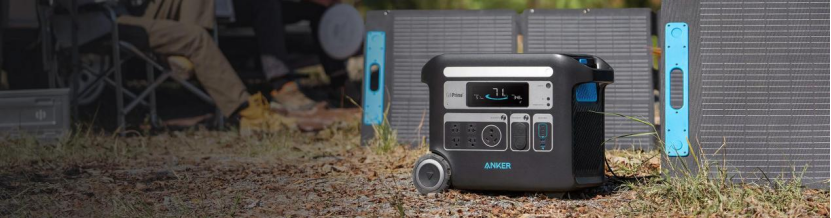
Pairing the right solar panel with a power station involves matching wattage, voltage, connectors, and real-world usage needs rather than relying on guesswork. When these factors align, solar charging becomes a dependable part of everyday energy planning for homes, travel, and emergencies. For those who prefer a ready-made solution with balanced compatibility, a bundled setup such as the Anker SOLIX F2000 Portable Power Station with a 200W solar panel can simplify the selection process while covering common household backup needs. Thoughtful equipment pairing ensures solar power remains practical, efficient, and easy to use in daily life.